Meter certification is a step toward a safer, interconnected world
Today’s interconnected world has given rise to new and complex meter technologies, and with them, new and complex challenges faced by manufacturers and consumers alike. Fortunately, we’re prepared to help you navigate this new world. Our in-depth experience in evaluating meters and their smart features — such as electronic measuring, wireless or remote reporting, and appliance controls — enable us to help you create safer, more optimized meters.
We are deeply involved with the creation of new standards for smart-meter technology and actively contribute to smart-meter panels globally. Our goal is to help you bring safer meters to the market in the quickest, easiest and most efficient way possible.
Overcoming challenges with meter evaluations and certification
Our extensive experience in smart-meter testing has earned us significant accreditations, including acceptance into the:
- Australian Government National Measurement Institute (NMI)
- Bangladesh Rural Electrification Board (BREB)
- International Electrotechnical Commission (IEC)
- International Accreditation Service (IAS)
- Singapore Accreditation Council (SAC)
Our expertise can help you overcome the following challenges:
- Global Market Access – We can help you gain access to the world’s markets by testing smart meters to the requirements of North and South America, China, Asia, Australia, Europe and South Africa.
- Regional requirements - Our knowledge of regional testing requirements allows us to determine the appropriate plans for your product, minimizing duplication and maximizing geographical coverage.
- Technical competency – We have significant experience in the many disciplines that encompass a meter performance program, including accuracy, electromagnetic compatibility (EMC), radio, electrical, mechanical, environmental and safety testing.
- Radio compliance – Our transmission control block (TCB) experience enables us to assist clients in addressing the growing concerns over intentional transmissions. We’ll help you to ensure that geographical regulations are met.
- Speed to market – We stay abreast of evolving technology and changing market demands so that we can successfully manage your project and meet your deadlines.
- We also offer safety testing for electric, water and gas meters to assess whether they meet accuracy class performance as well as shock, fire, water purity and hazardous location use requirements. Additionally, our team can provide EMC evaluations for traditional emissions and immunity along with intentional transmitters (cellular, Wi-Fi, ZigBee, Bluetooth, etc).
Related meter services
- Electric and digital smart meters
Our Electric and Digital Smart Meter program not only allows us to provide electric meter testing services for safety but also allows us to test your products for functionality. We’ll help make sure that your meters are meeting all of the appropriate standards while also making sure that they are performing in the way that you want them to. Our dedicated technical team delivers exceptional customer service that provides a distinct advantage for our customers — we’ll help you get safer, more optimized products to market quickly and efficiently.
Overview
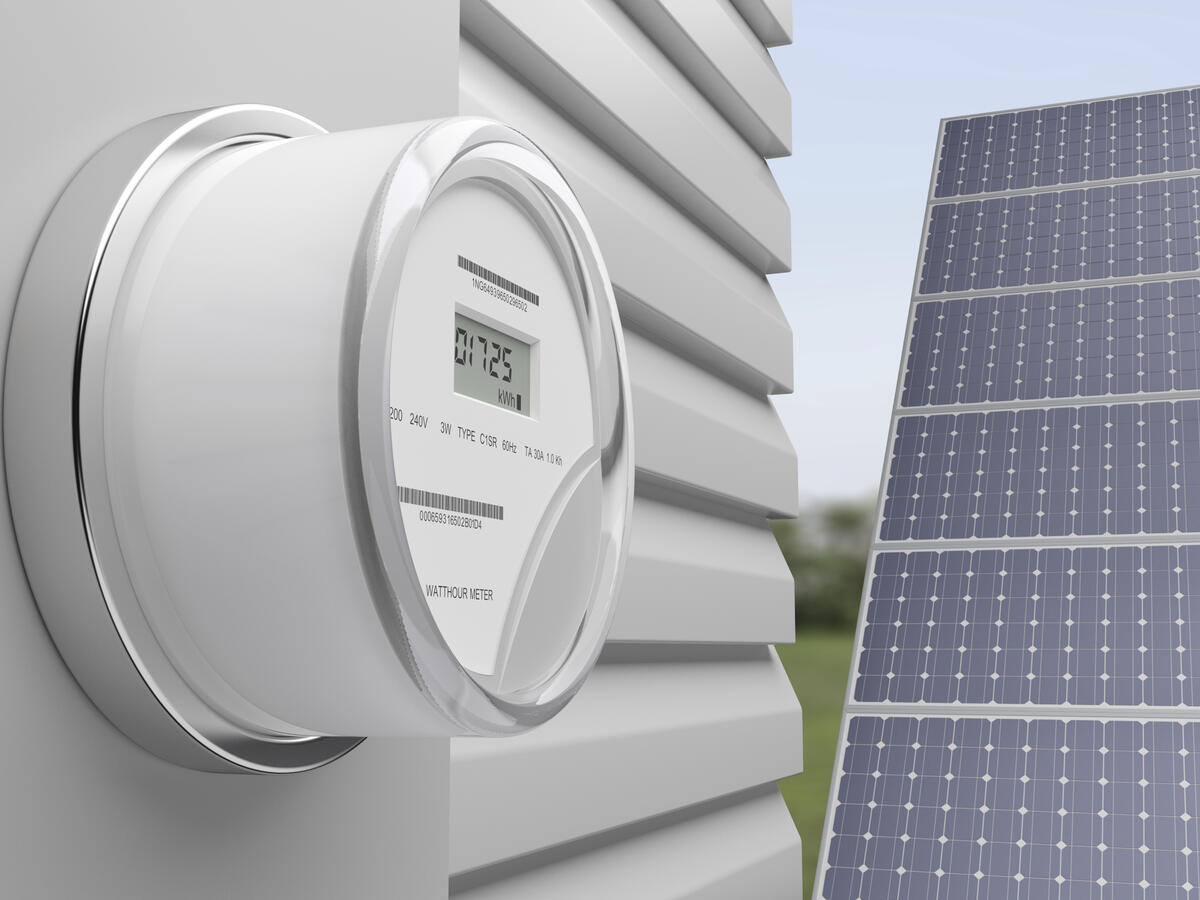
As power grids continue to evolve, they provide utility companies and consumers the ability to better control and monitor their use of electrical power. Connected devices offer greater consumption control in a wide variety of categories and smart meters deliver the benefits of the Internet of Things (IoT) to electricity management.
Today, utilities give homeowners with smart meters real-time access to their overall energy usage, making it available through personal devices. The number of smart meters is expected to grow because electric utilities are able to offer customers new services, such as dynamic pricing, the integration of new energy resources like microgrids and solar power, and improved outage management and restoration. Smart meters also give added benefit to the utilities by helping them better understand how consumers use power.
Electric meter testing services
With so many changes happening, you may need a little help to stay ahead of the game. That’s why we’ve implemented our Electric and Digital Smart Meter program. We’ll work closely with you to help ensure the safety of your smart meters, by tapping into our expertise of the following standards:
- UL 2735 and IEC 6052-31 for electrical safety of utility meters
- ANSI C12 and IEC meter series for the accuracy and performance levels of electric meters
- UL 2900 series for cybersecurity assessment
We also apply the new IEEE 2030.5 standard to help ensure that your smart meters function as planned and communicate correctly from one device to the next.
Areas of expertise
UL provides smart/electric meter services for the following product categories:
- Inverters
- Solar meters
- Submeters
- Utility meters
- Gas meters
Our goal is to help bring safer gas meters to market in a quick and efficient manner. We will help you meet gas meter safety regulations and help ensure your gas meters are optimized for performance.
We have the knowledge and expertise to help meet all of your gas meter compliance needs. By bundling our safety, performance and interoperability services, we’ll save you time and money in the process.
Services that meet gas meter safety regulations
Flammable liquid meters
Published in 1956, ANSI/UL 25 is the national Standard for meters for flammable and combustible Liquids and Liquified Petroleum (LP) gas. While not harmonized, the requirements in ULC/ORD-C25 are closely related to those in ANSI/UL 25 facilitating Listing in both the U.S. and Canada.
For flammable and combustible liquids, the Standard covers meters designed for use in a system with a minimum operating pressure of 50 psi. Meters covered may be entirely mechanical or include an electrical encoder provided that encoder is evaluated for intrinsic safety as part of the Listing investigation.
Liquid propane gas meters
For our liquid propane gas meter service, the evaluation criteria are similar to that for flammable and combustible liquids except they must be designed for a working pressure of 350 psi or greater.
- Water meters
Our goal is to help bring safer water meters that are optimized for performance to market quickly and efficiently.
Water meter technology continues to evolve, along with the regulatory needs of the industry. We are prepared to meet your water meter compliance requirements at our test laboratories. It’s our goal to also help you mitigate your risk, so you can confidently innovate and expand.
NSF/ANSI 61 Drinking Water System Components – Health Effects
NSF/ANSI 61 evaluates your water meters to ensure the wetted materials do not add harmful contaminants into drinking water. Forty-eight states require or recommend compliance with NSF/ANSI 61 and most of them demand third-party certification with an American National Standards Institute (ANSI) accredited organization such as UL.
NSF/ANSI 372 Drinking Water System Components – Lead Content
NSF/ANSI 372 evaluates the lead content of materials used to make your water meters to ensure the weighted average lead content does not exceed 0.25 percent. Federal requirements under the Safe Drinking Water Act restrict the permissible levels of lead in components and products that convey water for human consumption. Certification under NSF/ANSI 372 is an easy way to show compliance with the act and prove your products meet lead-free regulations.
Get connected with our sales team
Thanks for your interest in our products and services. Let's collect some information so we can connect you with the right person.